Disclosure: This page contains Amazon affiliate links. As an Amazon Associate we earn from qualifying purchases, at no extra cost to you. Learn more.
Money in a Health Savings Account (HSA) or Flexible Spending Account (FSA) goes in tax-free — so every eligible purchase is effectively a discount equal to your tax rate. And if you have an FSA, unused money can be forfeited at the end of the plan year. Here are useful health items that are commonly eligible, plus how to buy them the smart way.
Always check first. Eligibility is based on IRS rules (see IRS Publication 502) and your plan administrator’s policies. Some items need a Letter of Medical Necessity. Keep your receipts — you may need to prove a purchase was a qualified medical expense.
How HSA and FSA purchases work
- HSA: you own the account, the money rolls over forever, and it can be invested. In 2027 you can contribute up to $4,500 (self-only) or $9,000 (family), plus $1,000 if you’re 55+. (How HSAs work.)
- FSA: offered through employers. Most money must be used within the plan year, though some plans allow a grace period or a small carryover.
- Since 2020, over-the-counter medicines and menstrual care products have been eligible without a prescription.
- You can pay with your HSA/FSA card where accepted, or pay with a regular card and reimburse yourself with your receipt.
Health monitoring at home
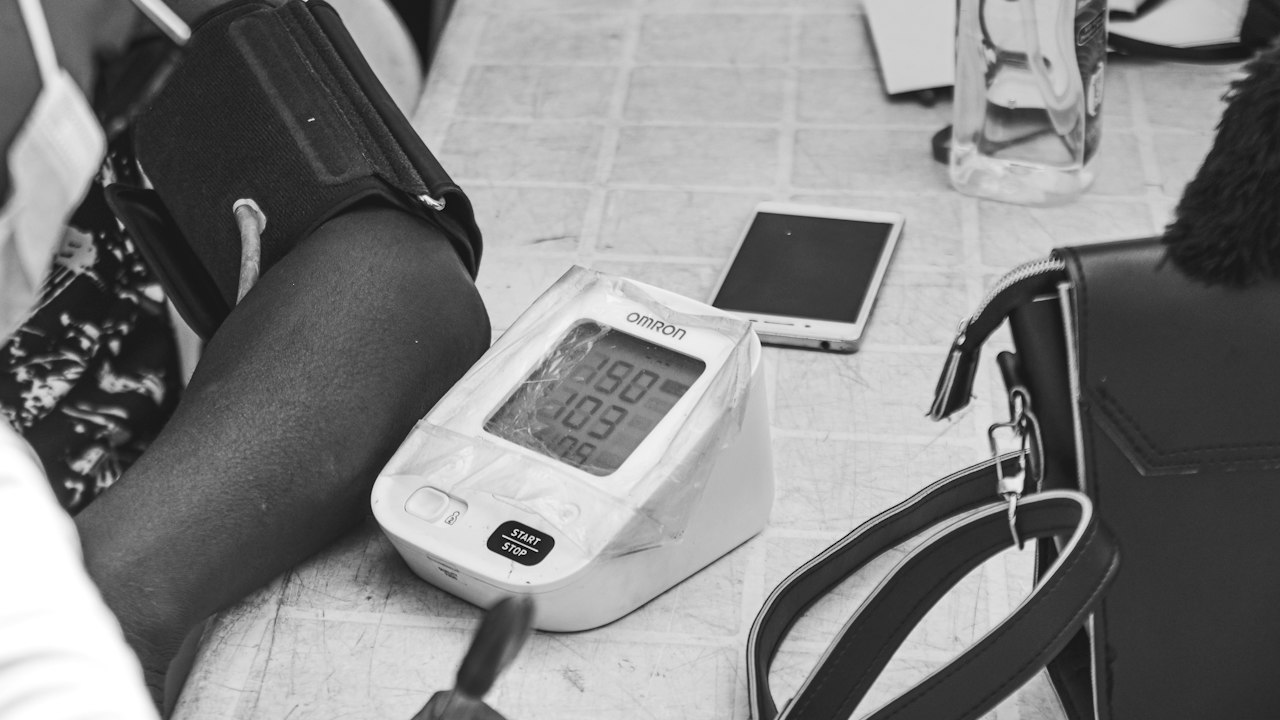
1. Upper-arm blood pressure monitor
High blood pressure often has no symptoms. Home monitoring helps you and your doctor spot trends between visits. Choose an upper-arm cuff (generally more reliable than wrist models), a cuff size that fits your arm, and a model that stores readings.
2. Digital thermometer
An inexpensive essential for every household. Families with young kids often prefer a fast forehead or ear thermometer; a basic oral digital thermometer is accurate and cheap for adults.
3. Pulse oximeter
A small fingertip device that estimates blood oxygen and pulse. Useful for people with respiratory conditions — but readings can be less accurate for some skin tones and cold fingers, so treat it as a guide, not a diagnosis.
4. Blood glucose monitor and test strips
For people managing diabetes or prediabetes, meters, test strips and lancets are standard eligible expenses. Check which strips your insurance covers before buying out of pocket.
First aid and everyday care
5. Well-stocked first aid kit
Keep one at home and one in the car. Look for a kit with a variety of bandage sizes, gauze, tape, antiseptic wipes, gloves and a cold pack.
- 6. Over-the-counter pain relievers and allergy medicine — eligible without a prescription since 2020. Browse allergy relief
- 7. Sunscreen (SPF 15+ broad-spectrum) — commonly eligible with many administrators. Browse sunscreen
- 8. Hot/cold therapy packs and heating pads — for muscle and joint pain. Browse hot/cold packs
- 9. Braces and supports (knee, wrist, back). Browse braces
Vision and hearing
- 10. Reading glasses — eligible even without a prescription. Browse reading glasses
- 11. Contact lens solution and eye drops. Browse lens solution
- 12. OTC hearing aids — FDA-authorized over-the-counter hearing aids for adults with perceived mild to moderate hearing loss. Browse OTC hearing aids
Family and personal care
- 13. Menstrual care products — pads, tampons, cups and period underwear, eligible since 2020. Browse menstrual care
- 14. Breast pumps and supplies — eligible, and many insurance plans cover a pump at no cost, so check with your insurer first. Browse breast pumps
Smart buying tips
- Check eligibility with your administrator before you buy anything that isn’t obviously medical.
- Save every receipt (a digital folder works). For HSAs, you can reimburse yourself years later — as long as the expense happened after you opened the account and you kept records.
- Don’t let FSA money expire. Check your plan’s deadline and spend down remaining balances on items you’ll genuinely use.
- Buy quality for devices. For blood pressure monitors and glucose meters, look for validated or FDA-cleared devices and ask your doctor if you’re unsure.
Related: How to lower your health insurance premium · How deductibles and copays work
HSA vs. FSA at a glance
| HSA | FSA | |
|---|---|---|
| Who can have one | People with an HSA-eligible plan | Employees whose employer offers one |
| Who owns the money | You — it stays with you | Tied to your employer |
| Unused money | Rolls over forever | Mostly use-it-or-lose-it (some plans allow a grace period or small carryover) |
| Can be invested | Yes | No |
| Change contributions mid-year | Yes | Only with a qualifying life event |
Frequently asked questions
Can I use my HSA or FSA card on Amazon?
Many retailers accept HSA and FSA debit cards for eligible items. If your card is declined or an order mixes eligible and ineligible items, pay with a regular card and submit your receipt to your plan administrator for reimbursement.
What if I accidentally buy something that isn’t eligible?
For an FSA, your administrator will ask you to repay it or provide documentation. For an HSA, you can usually return the money to the account; if you don’t, the amount is taxable and, before age 65, generally subject to a 20% penalty.
Do I need a prescription for over-the-counter medicine?
Not anymore. Since 2020, over-the-counter medicines and menstrual care products have been eligible without a prescription.
Are vitamins and supplements eligible?
Generally not when they’re for general health. They may qualify if a doctor recommends them to treat a specific diagnosed condition — usually with a Letter of Medical Necessity.
When does my FSA money expire?
It depends on your employer’s plan. Some require you to spend everything by the end of the plan year; others offer a grace period of up to 2½ months or let you carry over a limited amount. Check your plan documents well before the deadline.
Sources: IRS Publication 502; IRS Revenue Procedure 2026-24; CARES Act (2020). Eligibility varies by plan — this article is for general information and isn’t tax or medical advice. Prices and availability on Amazon change frequently. Last reviewed October 2026.