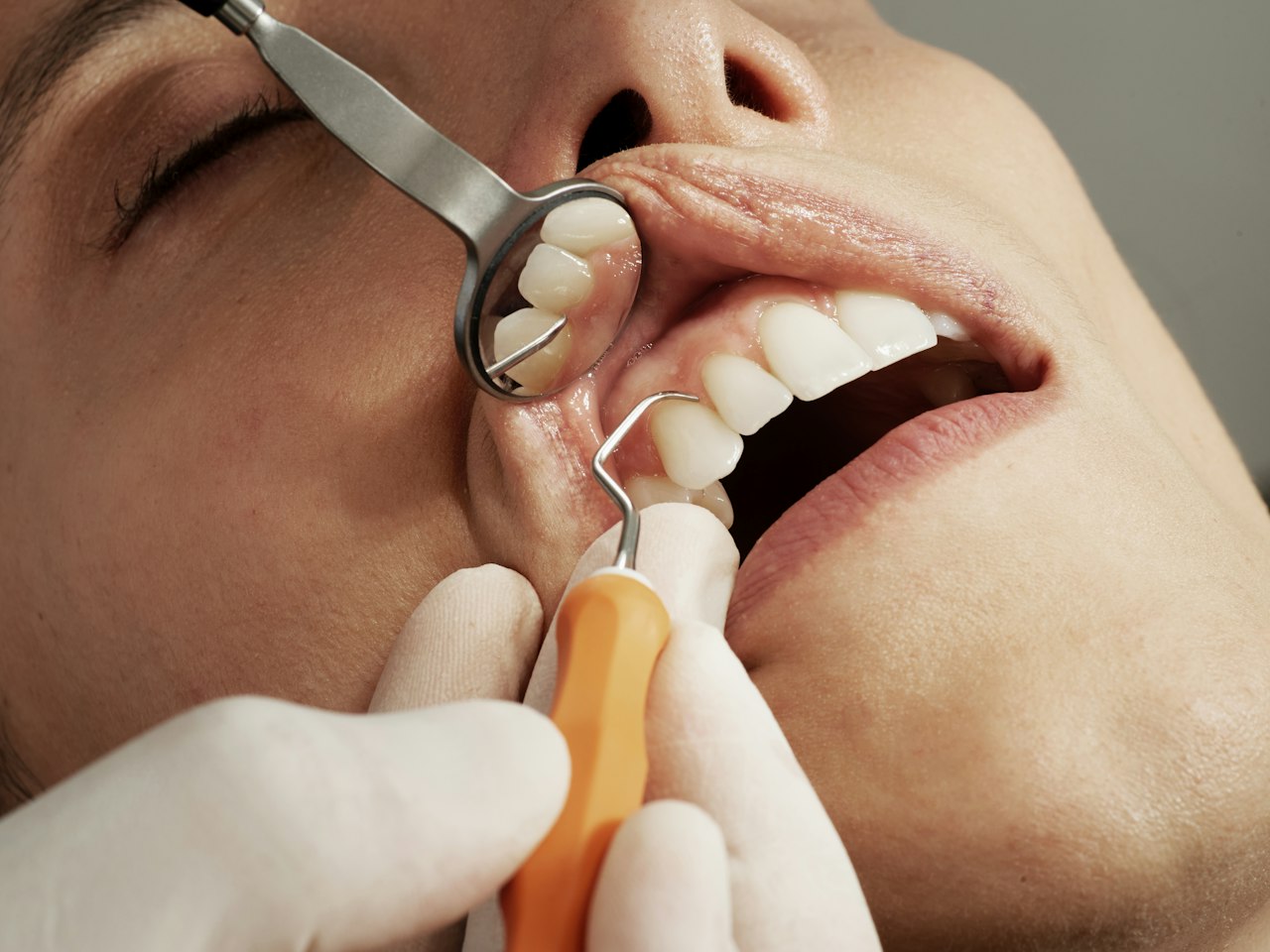
Dental insurance doesn’t work like health insurance. Instead of protecting you from a catastrophic bill, most dental plans cover routine care well and big procedures only partly — up to a fairly low yearly limit. Whether it’s worth it depends on your teeth, your budget and what you expect to need.
Key takeaways
- Most plans follow a 100-80-50 pattern: preventive, basic and major care.
- Annual maximums are often around $1,000–$2,000 — after that, you pay everything.
- Waiting periods of 6–12 months are common for fillings, crowns and other work.
- Dental coverage for children is an essential health benefit; for adults it’s optional.
- Dental discount plans and HSA/FSA dollars are worth comparing.
How dental insurance usually works
| Category | Examples | Plan typically pays |
|---|---|---|
| Preventive | Cleanings, exams, routine X-rays | Often 100% |
| Basic | Fillings, simple extractions | Often 70–80% after deductible |
| Major | Crowns, bridges, dentures, root canals* | Often 50% after deductible |
| Orthodontics | Braces | Often excluded for adults; sometimes 50% with a lifetime limit for kids |
Dental plans also have a small annual deductible (often $50–$100), networks of participating dentists, and sometimes “missing tooth” clauses that exclude replacing teeth lost before coverage began.
Run the numbers
Say a plan costs $40 a month ($480 a year), covers two cleanings and exams at 100%, and pays 80% of fillings after a $50 deductible.
- Light year (two cleanings worth about $400 at the dentist’s network price): you pay $480 in premiums, the plan pays about $400. Roughly break-even.
- Moderate year (cleanings + two fillings worth $500): the plan pays about $760. You come out ahead.
- Big year (cleanings + a $1,500 crown at 50%): the plan pays its share, but you still owe hundreds — and you may hit the annual maximum.
The pattern: dental insurance tends to pay off when you have regular cleanings and some fillings or other basic work. It provides limited protection against very large bills.
When dental insurance is usually worth it
- Your employer pays part of the premium
- You have kids who need regular checkups, sealants or possibly braces
- You have a history of cavities or gum disease
- You’ll actually go for two cleanings a year
When it may not be
- You need major work right away — waiting periods may mean the plan won’t pay for months
- You have very healthy teeth and pay for cleanings out of pocket at a reasonable price
- The plan’s annual maximum is so low it barely exceeds the premiums
Alternatives worth comparing
- Dental discount (savings) plans: you pay an annual fee for reduced prices at participating dentists. Not insurance, but no waiting periods or annual maximums.
- HSA or FSA: dental care is a qualified medical expense, so you pay with pre-tax dollars. See HSAs explained.
- Dental schools: supervised student clinics often charge much less.
- Ask about cash prices and payment plans: many practices offer in-house membership plans.
Where to get dental coverage
- Through your employer
- As a standalone plan on HealthCare.gov or your state marketplace (pediatric dental may be built into your health plan)
- Directly from a dental insurer
- Through some Medicare Advantage plans — Original Medicare doesn’t cover routine dental
Tip: Ask your dentist for a pre-treatment estimate before major work. It shows what your plan will pay and helps you time procedures across two plan years so you can use two annual maximums.
Frequently asked questions
Does health insurance cover dental?
Adult dental isn’t an essential health benefit, so most health plans don’t include it. Pediatric dental is an essential benefit, though on the Marketplace it may be offered as a separate plan. Dental care caused by an accident or certain medical conditions is sometimes covered by health insurance.
Can I get dental insurance with no waiting period?
Some plans waive waiting periods for preventive care, and a few waive them for basic care too — usually at a higher premium. Employer plans often have no waiting periods.
Does Medicare cover dental?
Original Medicare doesn’t cover routine cleanings, fillings or dentures. Many Medicare Advantage plans include some dental benefits. See Medicare Advantage vs. Medigap.
Can I deduct dental premiums?
If you’re self-employed, yes — dental premiums count for the self-employed health insurance deduction.
Sources: HealthCare.gov (“Dental coverage”); National Association of Dental Plans; IRS Publication 502. Plan details vary. For education only — not insurance advice. Last reviewed October 2026.