Disclosure: This page contains Amazon affiliate links. As an Amazon Associate we earn from qualifying purchases, at no extra cost to you. Learn more.
A minor cut, a burn from the stove or a sprained ankle doesn’t always need an urgent care visit — but it does need the right supplies on hand. A good home first aid kit can save you time, stress and sometimes a copay. Here’s a complete checklist, organized the way you’ll actually use it.
Not a substitute for care: call 911 for emergencies such as chest pain, trouble breathing, severe bleeding, or signs of stroke. If you’re unsure whether something needs a doctor, many insurance plans offer a free 24/7 nurse line — the number is on your insurance card.
Start with a ready-made kit (then upgrade it)
A pre-assembled kit is the fastest way to get the basics. Choose one with a sturdy, clearly labeled case and organized compartments, then add the extras below that match your household. First aid kits are commonly HSA/FSA eligible.
Wound care
- ☐ Adhesive bandages in several sizes, including knuckle and fingertip shapes
- ☐ Sterile gauze pads and a roll of gauze
- ☐ Medical tape
- ☐ Antiseptic wipes or solution
- ☐ Antibiotic ointment
- ☐ Butterfly closures or wound-closure strips
- ☐ Hydrocolloid blister bandages
- ☐ Disposable gloves
Sprains, strains and burns
- ☐ Elastic compression bandage — browse
- ☐ Instant cold packs or reusable hot/cold packs — browse
- ☐ Burn gel or burn dressings
- ☐ Triangular bandage (for a sling)
Tools
- ☐ Digital thermometer — browse
- ☐ Fine-tip tweezers (for splinters and ticks)
- ☐ Bandage scissors
- ☐ Small flashlight
- ☐ CPR face shield
Over-the-counter medicines
OTC medicines have been HSA/FSA eligible without a prescription since 2020. Keep adult and children’s versions separate, and follow label dosing.
- ☐ Pain and fever reducer
- ☐ Antihistamine for allergies — browse
- ☐ Hydrocortisone cream for itching and rashes
- ☐ Oral rehydration salts
- ☐ Antacid and anti-diarrheal medicine
- ☐ Saline eye wash
Information to keep inside the kit
- ☐ A list of family members’ medications, allergies and conditions
- ☐ Copies of insurance cards and your plan’s nurse line number
- ☐ Poison Control: 1-800-222-1222
- ☐ Your doctor’s and nearest in-network urgent care’s phone numbers
Household-specific add-ons
- Babies and toddlers: infant fever reducer, nasal aspirator, children’s dosing syringe.
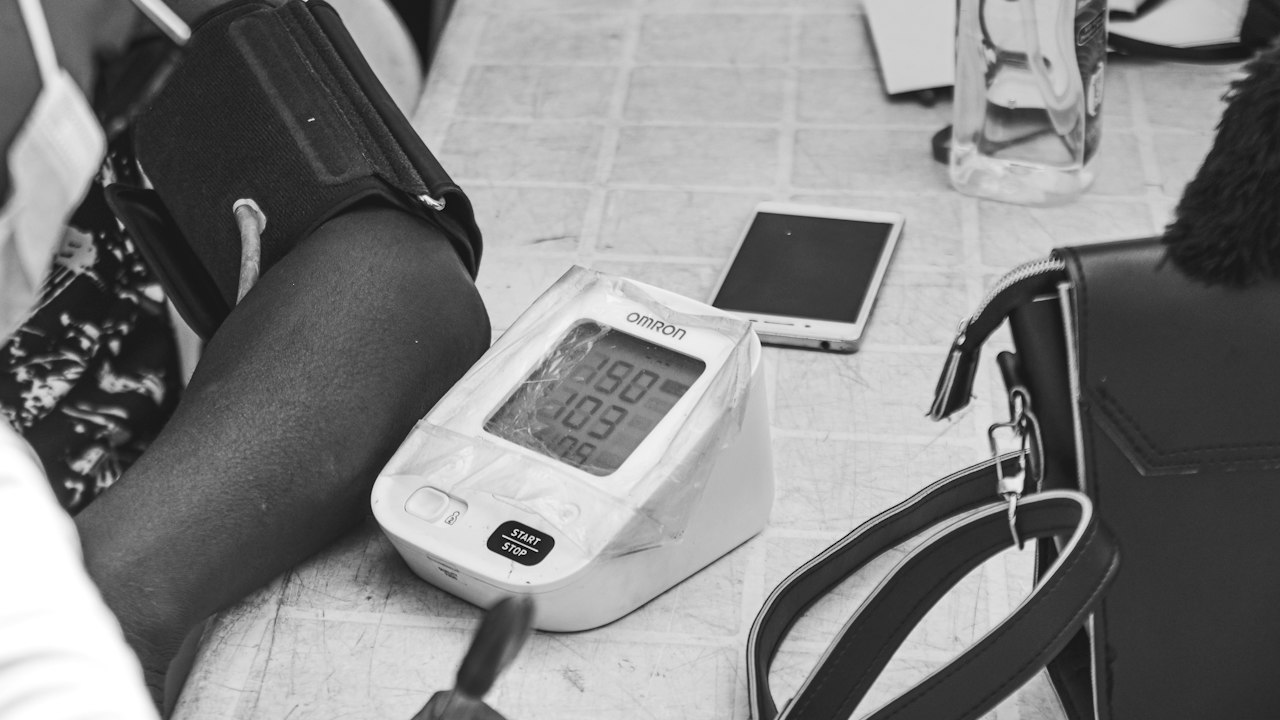
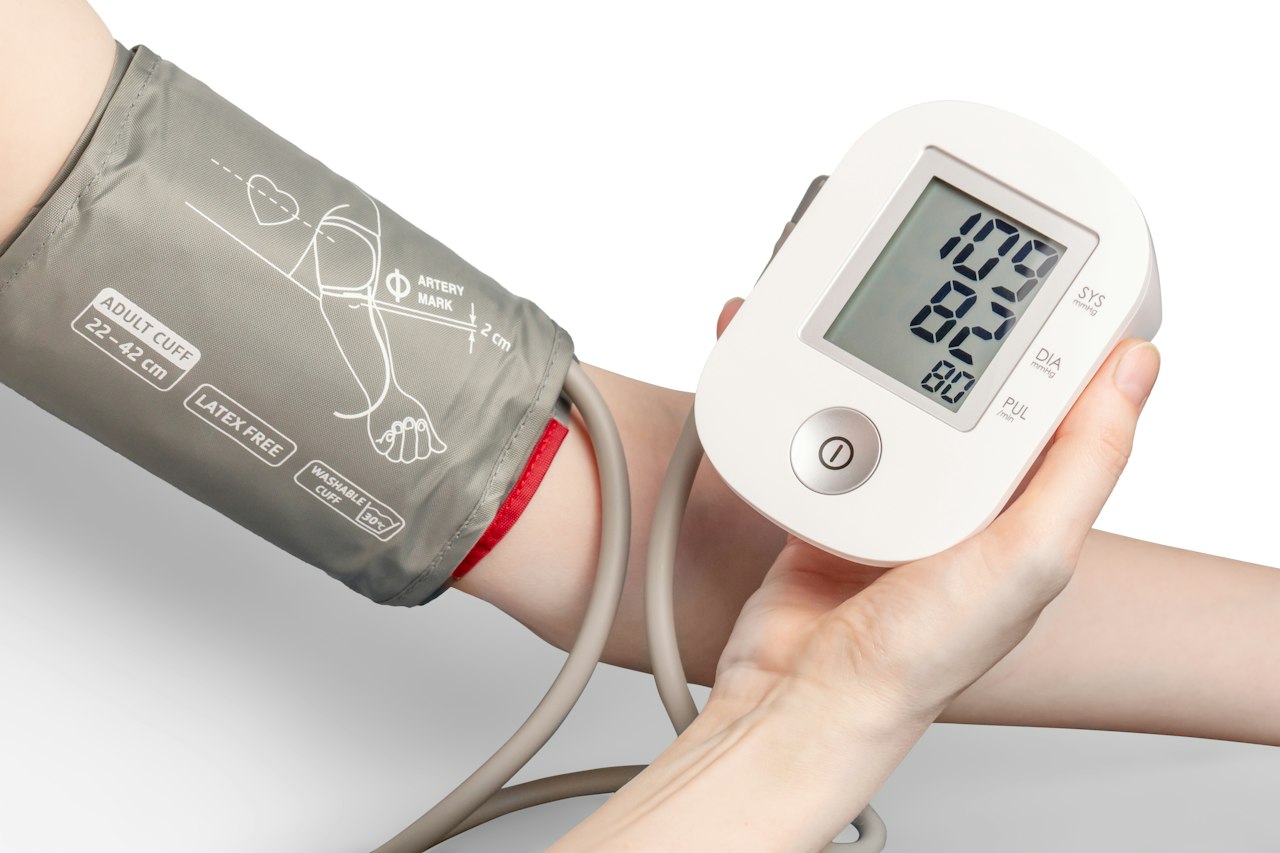
- Older adults: blood pressure monitor, pill organizer, extra supply of daily medications.
- Active families: extra blister care, sports tape, instant cold packs.
- Car and travel: a compact second kit.
Keep it ready
- Store it somewhere cool, dry and easy to reach — but away from small children.
- Check expiration dates twice a year (a good habit when clocks change).
- Restock anything you use right away.
- Save receipts if you’ll reimburse yourself from an HSA or FSA.
Frequently asked questions
Can I buy a first aid kit with my HSA or FSA?
First aid kits and most supplies like bandages and OTC medicines are commonly eligible. Check your plan administrator’s list to be sure.
When should I go to urgent care instead of the ER?
Urgent care handles minor injuries and illnesses — sprains, small cuts that need stitches, ear infections — usually at a much lower cost than the ER. Go to the ER for anything life-threatening. Emergency care is covered at in-network cost-sharing under federal law; see surprise billing protections.
How often should I replace my kit?
You don’t need to replace the whole kit — just restock used items and replace expired medicines and ointments.
Related: HSA & FSA shopping list
Sources: American Red Cross first aid kit guidance; IRS Publication 502; CARES Act (2020). For general information only — not medical advice. Prices and availability on Amazon change frequently. Last reviewed October 2026.