Disclosure: This page contains Amazon affiliate links. As an Amazon Associate we earn from qualifying purchases, at no extra cost to you. Learn more.
High blood pressure often has no symptoms, and readings at the doctor’s office can be misleading. Home monitoring gives you and your doctor a much clearer picture. A good monitor is inexpensive, usually HSA/FSA eligible, and easy to use — if you choose the right one and measure correctly.
What to look for
- Upper-arm cuff (not wrist or finger) for most people
- Clinically validated — check the U.S. Validated Device Listing at validatebp.org
- Correct cuff size for your arm
- Memory or app syncing to track readings
1. Choose an upper-arm monitor
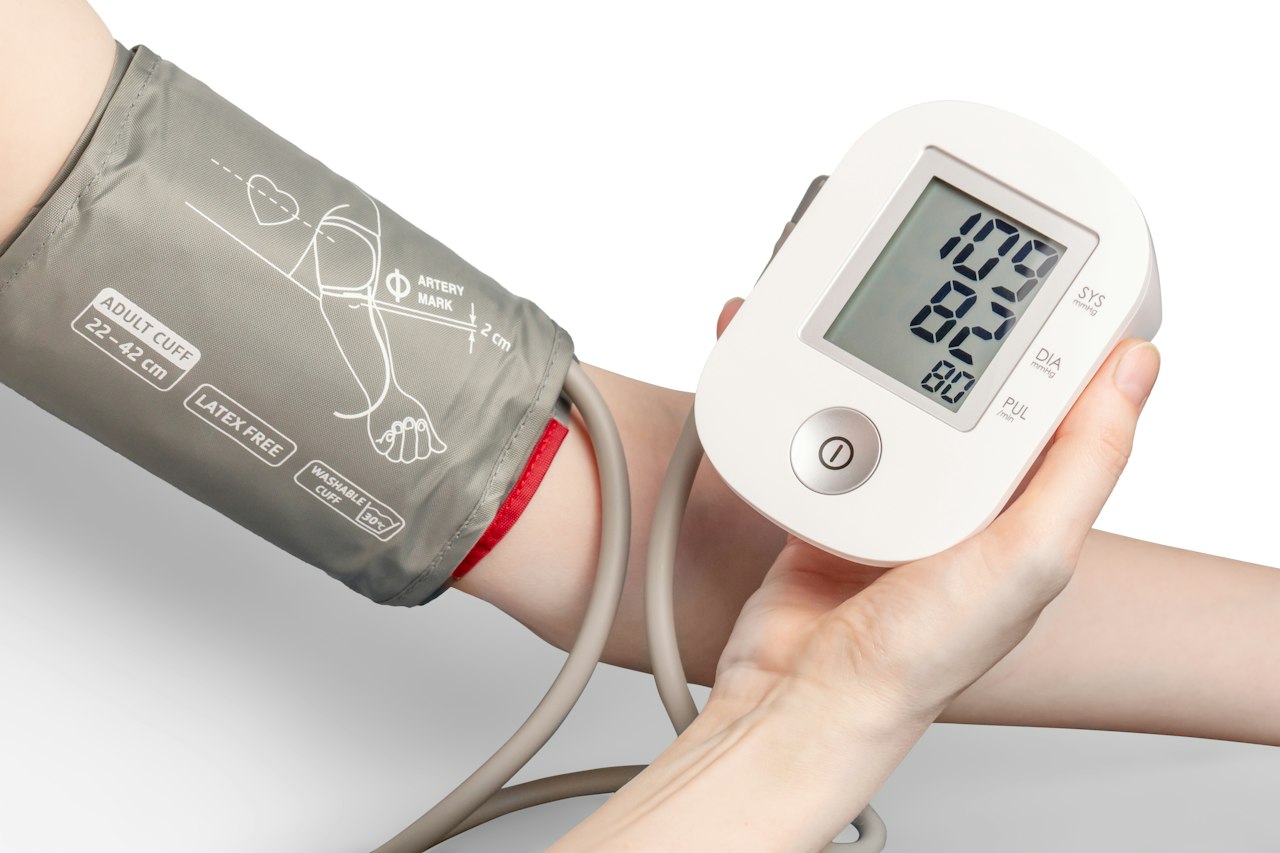
The American Heart Association recommends automatic, cuff-style monitors that go on the upper arm. Wrist and finger monitors are more sensitive to position and are generally less reliable, though a wrist model may be an option if an arm cuff can’t fit.
2. Make sure it’s validated
Not every monitor sold online has been tested for accuracy. Look up the exact model on validatebp.org, a list of devices that have been independently validated. Bring your new monitor to your next doctor visit to compare readings.
3. Get the right cuff size
A cuff that’s too small can read high; too large can read low. Measure around the middle of your upper arm and match it to the cuff’s listed range. Many monitors include a wide-range cuff, and larger cuffs are often sold separately.
Upper-arm blood pressure monitors
Compare models from established medical-device brands, check them against validatebp.org, and choose a cuff size that fits your arm.
Helpful features
- Memory for two users — handy for couples
- Bluetooth or app syncing — makes sharing readings with your doctor easy
- Irregular heartbeat indicator
- Averaging — some models take several readings and average them
- Large display — helpful for older adults
How to measure correctly
- Avoid caffeine, exercise and smoking for 30 minutes before.
- Empty your bladder and sit quietly for 5 minutes.
- Sit with your back supported and feet flat on the floor, legs uncrossed.
- Rest your arm on a table with the cuff at heart level, on bare skin.
- Don’t talk during the reading.
- Take 2–3 readings a minute apart, at the same times each day, and record them.
When to call: If your reading is very high (for example, above 180/120) and you have symptoms like chest pain, shortness of breath, weakness, vision changes or trouble speaking, call 911. Talk with your doctor about what your numbers mean for you.
Paying for it
Blood pressure monitors are commonly eligible for HSA and FSA funds. Some health plans also cover home monitors for people with hypertension — ask your insurer. See our HSA & FSA shopping list.
Frequently asked questions
Why is my home reading different from the doctor’s office?
Many people read higher at the doctor (“white coat” effect) or lower at home. That’s exactly why home readings are useful — share them with your doctor.
Which arm should I use?
Ask your doctor. Often they’ll check both arms once and recommend using the one with the higher reading.
Are smartwatches accurate for blood pressure?
Most wearables aren’t validated for blood pressure measurement. Use a validated cuff for readings you’ll act on.
Sources: American Heart Association (home blood pressure monitoring); validatebp.org; IRS Publication 502. For general information only — not medical advice. Prices and availability on Amazon change frequently. Last reviewed October 2026.